Back to ResourcesObstetrics & Gynaecology
Understanding Endometriosis: Causes, Symptoms, and Management
Health education · AI-assisted
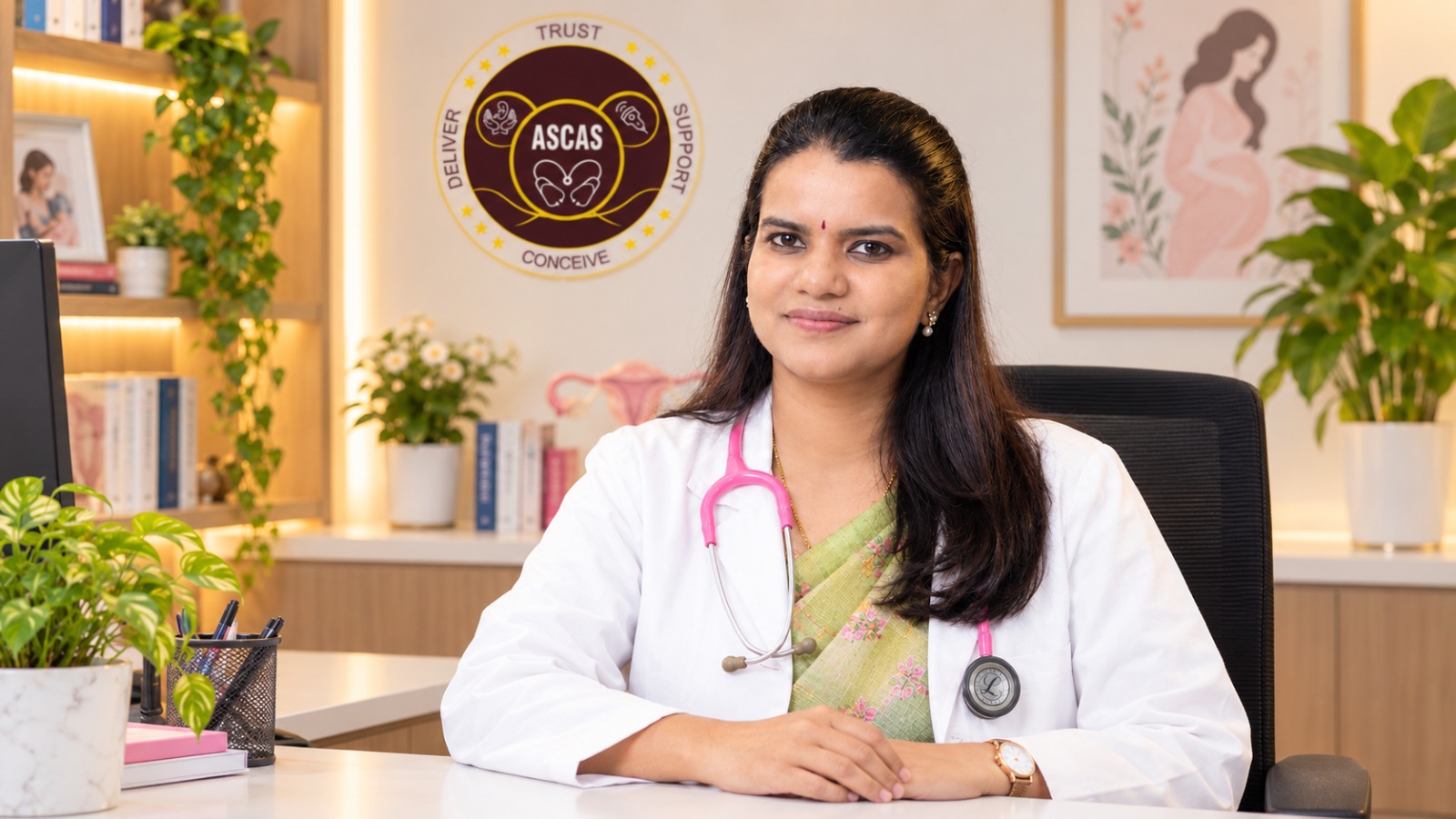
Dr. Aishwarya Parthasarathy•November 2, 2026•3 views
What is Endometriosis?
Endometriosis is a chronic condition in which tissue similar to the endometrium, the lining of the uterus, grows outside the uterine cavity. This tissue can be found on the ovaries, fallopian tubes, and the pelvic lining. It may also spread beyond the pelvic organs in rare cases. This misplaced tissue follows the menstrual cycle, thickening, breaking down, and bleeding with each cycle. However, unlike the endometrium, this tissue has no way to exit the body, leading to inflammation and the formation of scar tissue.
Causes of Endometriosis
The exact cause of endometriosis remains unknown, but several theories have been proposed. Retrograde menstruation, where menstrual blood flows backward through the fallopian tubes into the pelvic cavity, is one possible explanation. Genetic factors may also play a role, as endometriosis can run in families. Additionally, immune system disorders and hormonal imbalances could contribute to the development of this condition. Environmental factors and exposure to certain chemicals are also being studied as potential causes.
Symptoms of Endometriosis
The symptoms of endometriosis can vary widely among individuals. Common symptoms include pelvic pain, particularly during menstruation, which is often more severe than typical menstrual cramps. Other symptoms include pain during intercourse, pain with bowel movements or urination, and excessive bleeding during periods. Some individuals may also experience fatigue, diarrhea, constipation, and bloating. Importantly, endometriosis can also lead to fertility issues, making it a significant concern for those planning to conceive.
When to See a Doctor
It is advisable to consult a healthcare professional if you experience severe menstrual pain, pain during intercourse, or any other symptoms associated with endometriosis that affect your daily life. Early diagnosis and treatment can help manage symptoms and improve quality of life. If you are having difficulty conceiving, discussing your symptoms with a specialist like Dr. Aishwarya Parthasarathy, who has expertise in reproductive medicine, can provide guidance and support.
Diagnosis of Endometriosis
Diagnosing endometriosis typically involves a combination of clinical evaluation, imaging tests, and sometimes surgical procedures. A pelvic exam may reveal cysts or scar tissue. Imaging tests such as ultrasound or MRI can help visualize endometrial tissue outside the uterus. However, the definitive diagnosis often requires a laparoscopy, a minimally invasive surgical procedure that allows direct visualization of the abdomen and biopsy of suspicious tissue.
Treatment Options for Endometriosis
Treatment for endometriosis is tailored to the individual's symptoms and reproductive goals. Pain management options include nonsteroidal anti-inflammatory drugs (NSAIDs) and hormonal therapies such as birth control pills, gonadotropin-releasing hormone (GnRH) agonists, and progestins. Surgical options, such as laparoscopy, can be considered to remove endometrial tissue, which may improve fertility and alleviate pain. In cases where fertility is a concern, assisted reproductive techniques like in vitro fertilization (IVF) might be recommended.
Prevention and Aftercare
While there is no known way to prevent endometriosis, managing risk factors and maintaining a healthy lifestyle can be beneficial. Regular exercise and a balanced diet may help reduce symptoms. Aftercare following treatment involves regular follow-ups with a healthcare provider to monitor symptoms and manage any recurrence. For those who have undergone surgery, adhering to post-operative care instructions is crucial for recovery and long-term health.
FAQs: Clear Answers for Patients
Q1.What are the risk factors for developing endometriosis?
Risk factors include having a family history of endometriosis, never giving birth, starting menstruation at an early age, and menstrual cycles that are shorter than 27 days.
Q2.Can endometriosis affect fertility?
Yes, endometriosis can lead to fertility problems, which is a common concern for those affected by the condition.
Q3.Is surgery always necessary for endometriosis?
Surgery is not always necessary and depends on the severity of symptoms and the individual's reproductive goals. Non-surgical treatments can often manage symptoms effectively.
Q4.How is endometriosis managed during pregnancy?
Endometriosis symptoms often improve during pregnancy due to hormonal changes. However, management should be discussed with a healthcare provider.
Q5.Can lifestyle changes help manage endometriosis symptoms?
Yes, lifestyle changes such as regular exercise, a balanced diet, and stress management can help alleviate symptoms for some individuals.